The great challenge of Osho is not just a challenge, it is also an invitation to delve into the inner world. Within this series of discourses is the wisdom of a 20th-century buddha, made available through his response to questions from people who sense there is more to life than meets the eye.

Osho covers it all – from God and faith to existence and consciousness, from the miracles of Jesus to the materializations of Sai Baba, from intellect and intelligence to the significance of the master- disciple connection. This introduction to Osho’s work includes the secret aspects of spiritual traditions as well as talks on death, reincarnation and the scientific foundation of his revolutionary technique, Dynamic Meditation.
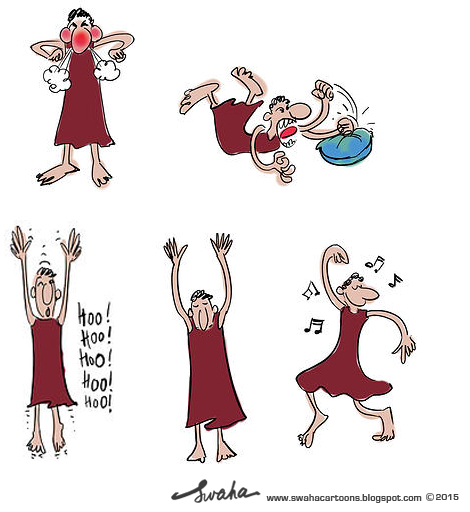
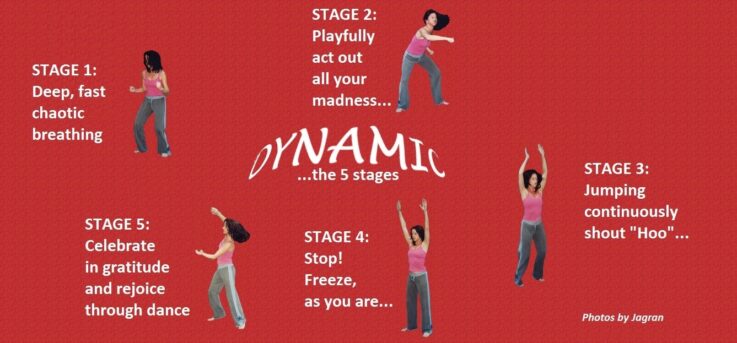
WHAT IS DYNAMIC MEDITATION?The first thing to be understood about Dynamic Meditation is that it is a method of creating a situation through tension in which meditation can happen. If your total being is completely tense, the only possibility that remains is relaxation. Ordinarily one cannot go directly into relaxation, but if your whole being is at a peak of total tension then the second step comes automatically, spontaneously: silence is created. The first three stages of the technique are done in order to achieve this climax of tension throughout all the layers of your being.THE DIFFERENCE LAYERS OF THE BEINGThe first layer is the physical body. Beyond that is the prana sharir, the vital body: this is your second body, the etheric body. Beyond it is the third body, the astral body. Your vital body takes in breath as its food. If the normal intake of oxygen is changed, the vital body is bound to change.STEP I
|
|
De Wereld Binnenin je Verkennen
Het boek ‘The Great Challenge’ gaat over het Esoterische.
Er bestaat een oud gezegde: “Als de discipel er klaar voor is, verschijnt de meester.” De discipel kan de meester niet vinden; dat is onmogelijk. Enkel de meester kan de discipel vinden. Alleen degene die zichzelf kent kan een ander kennen. Dan is het eenvoudig. Wanneer je er klaar voor bent, begint het hele universum je
 te helpen. Het is niet nodig om enige astrale hulp te vragen, het is niet nodig ergens naar toe te gaan, hulp wordt er altijd geboden – een behoefte wordt altijd vervuld.
Osho heeft het over Gurdjieff die een simpele les kreeg die zijn hele leven transformeerde – hij beloofde zijn stervende vader dat deze regel zijn hele leven bindend zou zijn. Als iemand hem beledigde, uitschold of beschimpte, dan bleef hij er getuige van zonder onmiddellijke reactie – en niet alleen uiterlijk maar innerlijk ook.
‘The Great Challenge’ is verkrijgbaar in de Boekhandel.
Vertaald Fragment uit ‘The Great Challenge’
Uit: ‘The Great Challenge’, hoofdstuk 11
Het Gesloten blijven voor het Lagere: een techniek voor Transformatie
Vraag: Hoe kunnen we, in deze vertwijfelde spirituele situatie, hulp verkrijgen van gevorderde zielen op het astrale gebied? Hoe kunnen we ons openstellen voor het hogere?
Er bestaat een oud gezegde: “Als de discipel er klaar voor is, verschijnt de meester.” De discipel kan de meester niet vinden; dat is onmogelijk. Enkel de meester kan de discipel vinden. Enkel degene die zichzelf kent kan een ander kennen. Dan is het eenvoudig. Wanneer je er klaar voor bent, begint het hele universum je te helpen. Het is niet nodig om enige astrale hulp te vragen, het is niet nodig ergens naar toe te gaan, hulp wordt er altijd geboden – een behoefte wordt altijd vervuld.
Maar je moet er klaar voor zijn, je moet in een dermate geestestoestand zijn waarin de universele krachten je kunnen helpen. Dus is het niet een positief zoeken, omdat je astrale hulp niet kunt zoeken; hulp hangt af van je ontvankelijkheid, je bereidheid. Hogere krachten zijn overal elk moment aanwezig. Ditzelfde ogenblik ben je omgeven door hogere en lagere krachten beiden, maar jij bent enkel ontvankelijk voor de lagere krachten. Je kunt of open zijn voor de hogere krachten of voor de lagere krachten; je kunt niet open zijn voor beiden.
HET MECHANISME VAN HET BEWUSTZIJN
Het mechanisme van het bewustzijn is van dien aard dat als je open bent voor het lagere je gesloten bent voor het hogere, en als je je open stelt voor het hogere je automatisch gesloten raakt voor het lagere. We hebben slechts een opening, dus is het jouw keuze welke richting je gaat. Het eerste wat je moet begrijpen is hoe je af te sluiten voor het lagere en hoe je te openen voor de hogere krachten. Hogere krachten zijn altijd daar, maar zij kunnen niet werken tenzij je met hen samen werkt, tenzij jij je aan hen overgeeft. Vanaf het ogenblik dat je open voor hen bent, begint het werk – als de deuren open zijn, kan de zon binnenkomen. Jouw deuren zijn gesloten.
De zon is daar, ditzelfde moment klopt ze op je deur, maar jij bent in het donker. Je zult in het donker blijven, niet omdat de zon er niet is, maar omdat je deuren gesloten zijn. Jij hebt de zon niet uitgenodigd, je bent er niet ontvankelijk voor. Je bent nog steeds niet bereid gastheer(vrouw) te zijn – de invitatie is niet verstuurd.
Hoe kunnen we ons sluiten voor de lagere krachten en open zijn voor de hogere? We zijn ons niet eens bewust dat we open zijn voor de lagere krachten en toch zijn we al op zoek naar hogere krachten die voor  ons kunnen werken….
Bijvoorbeeld, als iemand van je houdt ben je altijd wantrouwig, altijd in twijfel erover. Is de liefde wel waarachtig? Wordt er wel echt van je gehouden? Meent diegene het wel echt of word je bedrogen? Als er iemand boos is, twijfel je nooit of hij echt boos is of dat hij je enkel misleidt, of hij een rol speelt of het echt meent. Dan is er geen twijfel. Het wordt altijd meteen aangenomen dat boosheid echt is, maar liefde wordt nooit vanzelfsprekend beschouwd. Je gelooft altijd in het lagere; je hebt een diepgeworteld geloof in het lagere.
Onthoudt dat geloven een opening is. Geloof betekent vertrouwen, en waar je ook in gelooft, daar ben je open voor. Een wantrouwende gemoed is gesloten omdat het angstig is. Maar tenzij je vertrouwt zal je gesloten blijven. Het eerste waar je over na moet denken is dit: waar geloof je nou eerder in, de lagere of hogere zaken? Je gelooft zonder meer in lagere dingen, zonder te twijfelen, zonder erover na te denken. Je gelooft in het lagere: het lagere is jouw werkelijkheid. Toen Gurdjieff nog maar een kind van negen jaar was, zei zijn stervende vader tegen hem,” Ik kan je niets geven behalve dit diepgaande gebeuren wat ik in mijn leven heb ervaren. Er is slechts een ding dat ik verworven heb wat ik je als erfenis kan geven: wanneer er ooit iemand boos op je is, reageer dan niet onmiddellijk, wacht vierentwintig uur en antwoord dan pas.”
DE LES VAN GURDJIEFF
Later vertelde Gurdjieff dat deze simpele les zijn hele leven transformeerde – hij beloofde zijn stervende vader dat deze regel zijn hele leven bindend zou zijn. Als iemand hem beledigde, uitschold of beschimpte, dan bleef hij er getuige van zonder onmiddellijke reactie – en niet alleen uiterlijk maar innerlijk ook. Hij luisterde dan geduldig naar alles wat er tegen hem gezegd werd of hem aangedaan werd en zei dan, “Ik kan nu niet onmiddellijk reageren. Ik kom na vierentwintig uur terug. Dit is een belofte die ik mijn vader gedaan heb. Dus na vierentwintig uur kom ik terug en zal ik reageren. Het is duidelijk dat hij nooit reageerde. Na een etmaal ging hij dan terug zeggend, “Op het moment zelf kon ik niet reageren vanwege mijn belofte. Nu echter kan ik ook geen reactie geven.” Zijn hele leven werd erdoor veranderd, omdat de opening voor het lagere werd gesloten. Een etmaal is een te lange periode om te wachten. Enkel wanneer er een zekere druk is opent het gemoed zich – en dan slechts voor een ogenblik. Als je wacht, sluit ze zich weer. Als je de druk niet toestaat jou te raken, dan is de situatie na vierentwintig uur te koud en doods geworden. Enkel in een verhit moment is de lust tot reageren daar.’The Great Challenge’,
Omdat boosheid onmogelijk was geworden probeerde Gurdjieff deze techniek ook op andere gebieden uit. Bijvoorbeeld seks. Wanneer de drang daar was, wachtte hij. Na vierentwintig uur was er geen drang meer: de geest werd niet langer door de lagere kracht geraakt. Na dit jaren beoefend te hebben, werd Gurdjieff zich plotseling bewust van andere openingen in zijn geest. Daar energie moet stromen en de lagere uitgang gesloten was, moest het een nieuwe uitweg vinden.
IN STILTE BIDDEN IN DE KERK
Bijvoorbeeld, bij het passeren van een kerk waar een mis plaats vond en hij slechts keek naar de mensen die daar in stilte baden, werd plotseling de deur van zijn geest geopend en werd hij een met hen die daar aan het bidden waren; plotseling was zijn geest open tot iets hogers. Ook werd hij zich van een ander onbevattelijk verschijnsel bewust. Een gewoon iemand passeerde hem terwijl hij op straat liep en plotseling werd Gurdjieff zich bewust dat die persoon niet zo maar gewoon was; hij was een mysticus.’The Great Challenge’,
Hij volgde hem dan. En iedere keer bleek dat hij voor honderd procent gelijk had. Soefi mystici functioneren erg esoterisch, zo hebben zij geheime manieren ontdekt om herkend te worden. Indiase mystici willen de afzondering, zij willen weg van de massa. Zij trekken naar het woud, of naar de heuvels. Maar zelfs als hij naar een klooster of woud vertrekt, worden de mensen zich van hem bewust, en weldra wordt hij bekend. Stilte draagt zijn eigen boodschap. Het is zelf een boodschap, die vele dingen overdraagt. Soefies hebben een andere methode gevolgd. Zij gaan niet naar een klooster, zij gaan niet naar een woud of naar een eenzame heuvel; zij willen liever deel uitmaken van het gewone leven.’The Great Challenge’,
Zo kan een soefi mysticus bijvoorbeeld gewoon een schoenmaker zijn. Hij gedraagt zich zo gewoon dat niemand in staat is te herkennen dat hij iets weet, of iets bijzonders is. Maar iemand die open is voor de hogere krachten zal zich hiervan bewust worden. Deze opening in Gurdjieff werd de basis voor zijn zoektocht naar het wonderbaarlijke. Hij volgde – zonder enige kaart, zonder enige kennis – en kwam zo uiteindelijk naar India, Egypte en Tibet. Hij ging verder en verder – enkel zijn weg voelend, niet wetend waar hij naar toe ging – totdat hij plotseling ging voelen dat een bepaald voetpad goed was. Hij volgde dit dan. Soms eindigde het voetpad recht voor een hut waarin zich een mysticus bevond!
Wanneer je open wordt voor het hogere, beginnen er dingen op een heel andere manier te gebeuren. Maar als je alleen open bent voor het lagere, dan moet je in het duister tasten voor het hogere. Dat tasten is willekeurig, toevallig. Soms leer je iets of iemand kennen, maar dat is zeldzaam. Zelfs als je iemand of iets toevallig ontmoet, wat je leven totaal zou kunnen veranderen en transformeren, ben je je dit niet bewust. Zelfs als je Boeddha ontmoet, zal je je niet bewust zijn dat je een Boeddha tegenover je hebt.’The Great Challenge’,